
Discover Benin
The memory of the slave trade in Ouidah, cities on the water, royal palaces, sacred hills and the great parks of the north: 9 tours to experience Benin with guides who know it well.
Atlantique
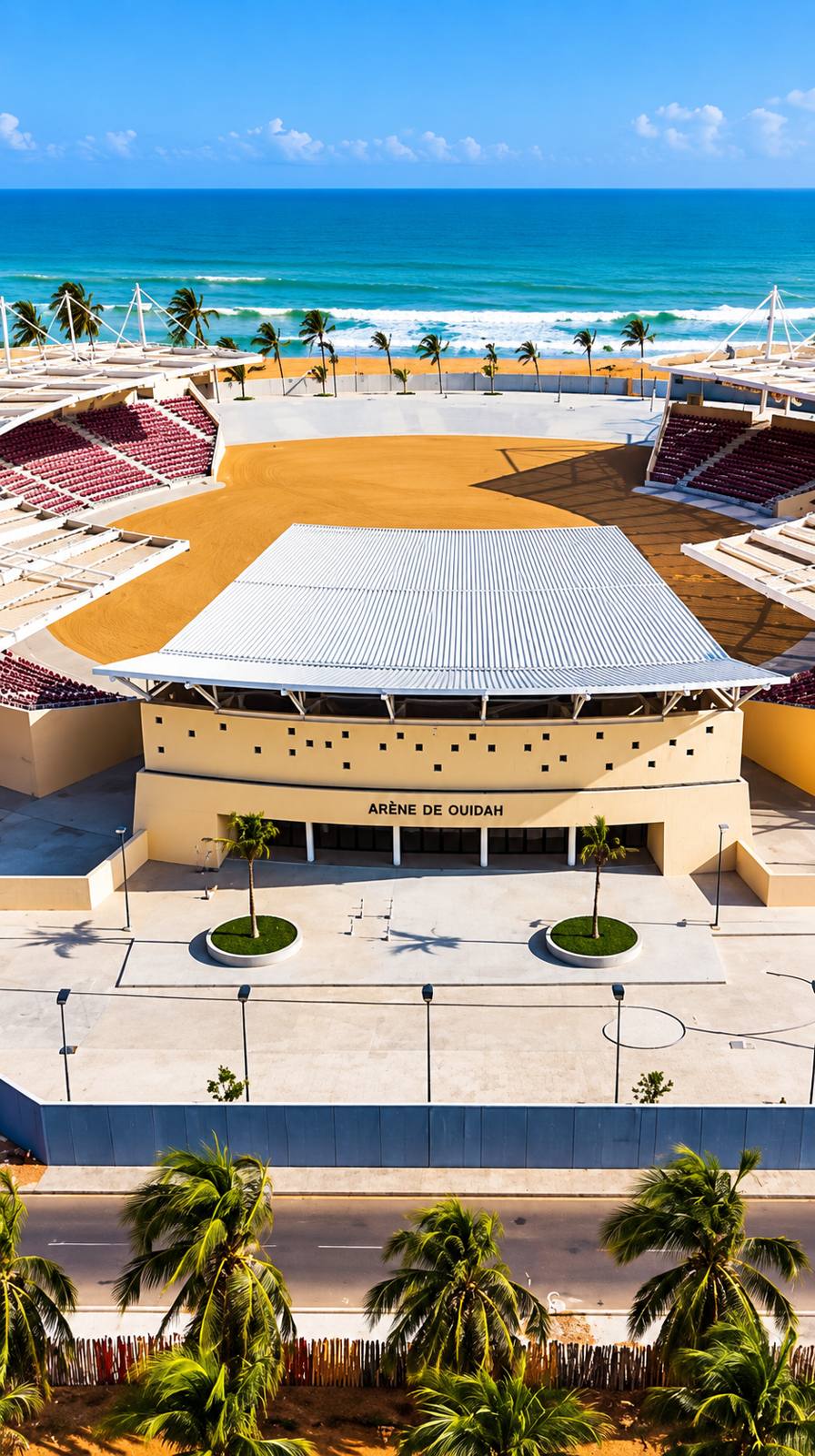
Ouidah, memory and vodun
Walk in the footsteps of history, all the way to the ocean.
A former slave-trading port, Ouidah is today one of the great places of remembrance in West Africa. The tour follows the Slave Route, from the old auction square to the Gate of No Return, facing the ocean: four emotional kilometres that our guides recount with care.
Ouidah is also the spiritual heart of vodun. Between the Temple of Pythons, the sacred forest of Kpassè and the Basilica of the Immaculate Conception facing it, you discover a town where beliefs have lived side by side for centuries.
What you will experience
- The Slave Route and the Gate of No Return
- The Temple of Pythons
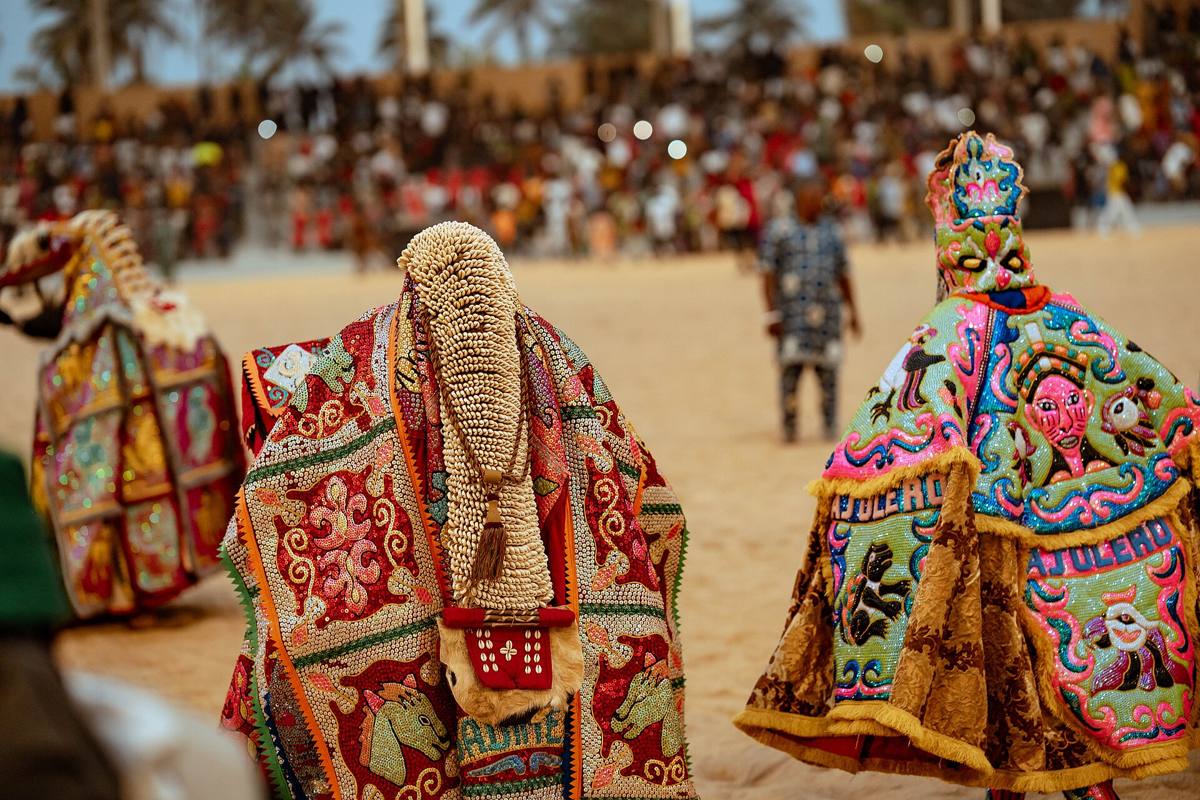
- The Egoungoun masquerades during vodun festivals
- The sacred forest of Kpassè
- The Basilica of the Immaculate Conception
- The Zinsou Foundation contemporary art museum
Good to know: Ideal as a day trip from Cotonou, about 40 km away.
Mono
Grand-Popo, between sea and river
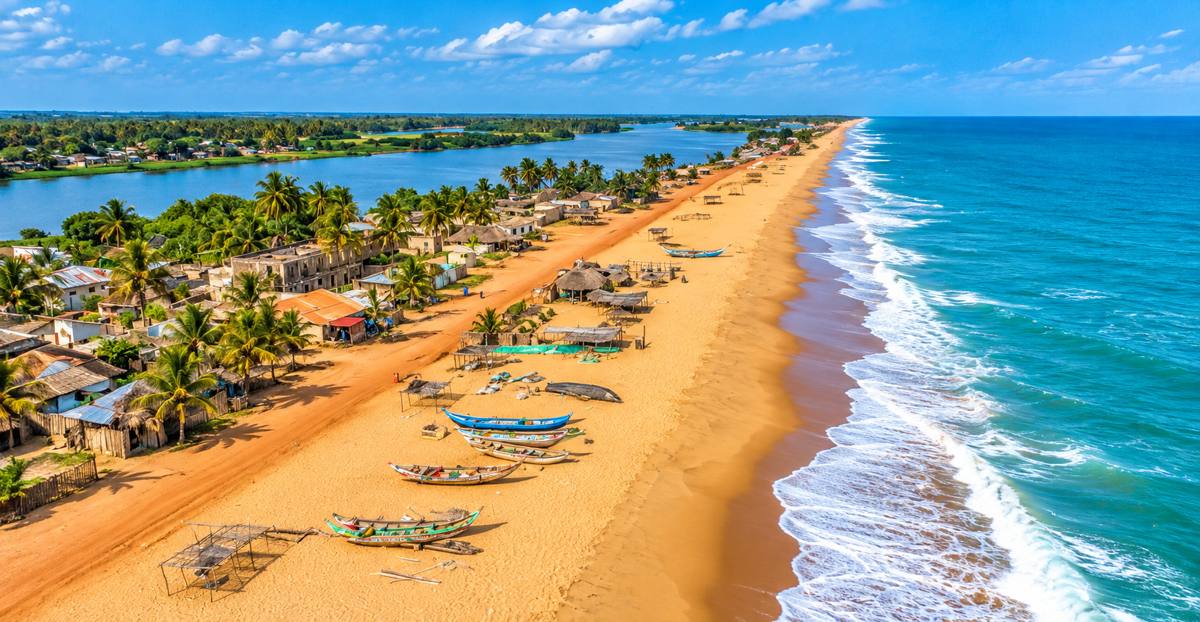
Palm-fringed beaches where the Mono river meets the ocean.
Close to the Togolese border, Grand-Popo stretches between the Atlantic Ocean and the Mono river. Its long beaches shaded by coconut palms make it a favourite getaway for people from Cotonou and Lomé, for a quiet weekend.
By pirogue, you travel up the mangroves to the Bouche du Roy, where the river flows into the sea. The tour passes the Avlo peninsula, the vodun temples on the banks of the Mono and the old colonial houses, and ends with the fishermen's return.
What you will experience
- The Bouche du Roy, mouth of the Mono river
- A pirogue ride through the mangroves
- The Avlo peninsula
- The vodun temples along the Mono
- Villa Karo, a Finnish-African cultural centre
Good to know: Combine it with Ouidah for a two-day stay on the coast.
Mono
Lake Ahémé and Possotomè
A break on the water, at the pace of the fishing villages.
Benin's second-largest lake, Lake Ahémé is best discovered by pirogue, between coconut-palm beaches, forests and small fishing villages. You can watch traditional fishing techniques and the peaceful life of the lakeside communities.
The tour stops at Possotomè, known for its springs, and in villages where vodun ceremonies are still held. Along the way, don't miss the smoked shrimp sold by the roadside.
What you will experience
- The pirogue crossing of the lake
- Traditional fishing techniques
- Possotomè and its villages
- The lake's smoked shrimp
- Local crafts and daily life
Good to know: An ideal stop between Ouidah and Grand-Popo.
Atlantique
Ganvié, the Venice of Africa
A whole town built on water, a few minutes from Cotonou.
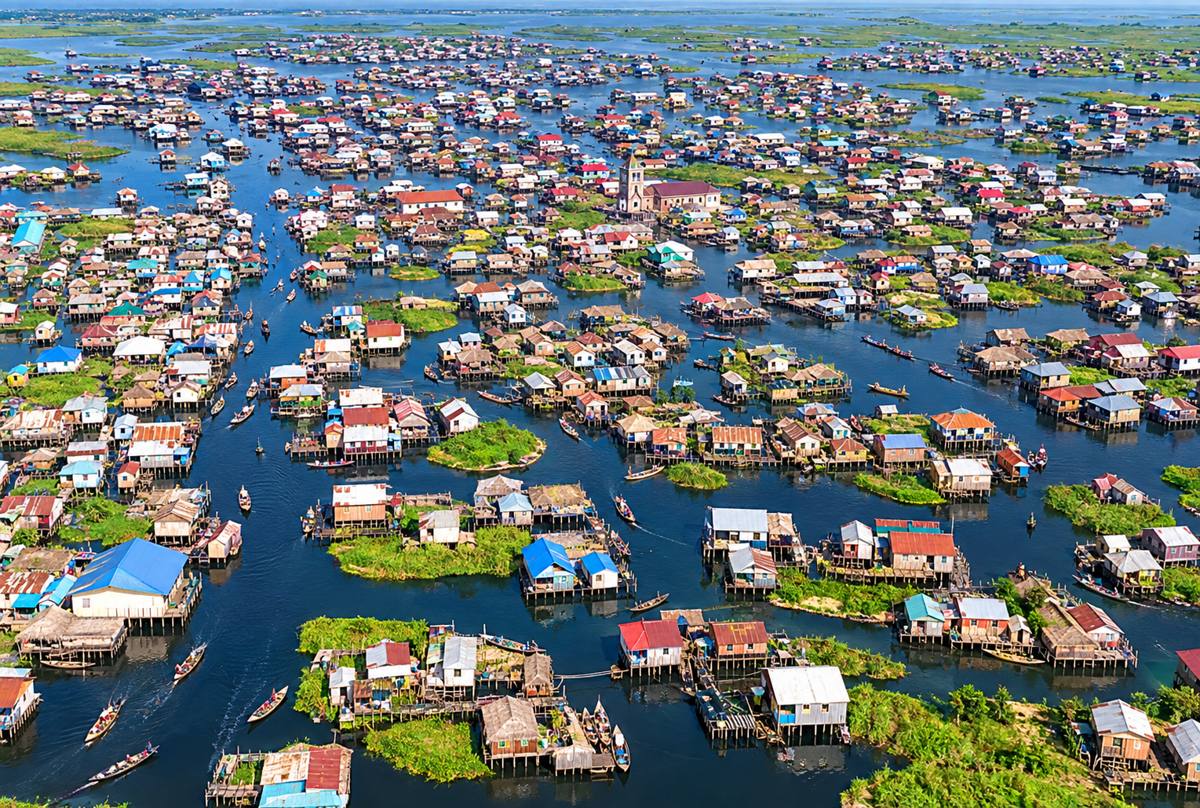
The largest lake town in West Africa, Ganvié was founded by the Tofinu, who took refuge on Lake Nokoué to escape slave raids. Its name means “the saved community”.
It can only be reached by pirogue. Along the canals you see the stilt houses, fishermen casting their nets and the floating market, where trade happens from boat to boat. An immersion in a way of life unique to Benin.
What you will experience
- The pirogue crossing of Lake Nokoué
- The floating market
- The stilt houses
- The Tofinu fishermen and their techniques
- The story of the town's founding
Good to know: Half a day is enough, starting from Abomey-Calavi.
Ouémé
Porto-Novo and the black river
The hidden capital, then a mysterious river to recharge.
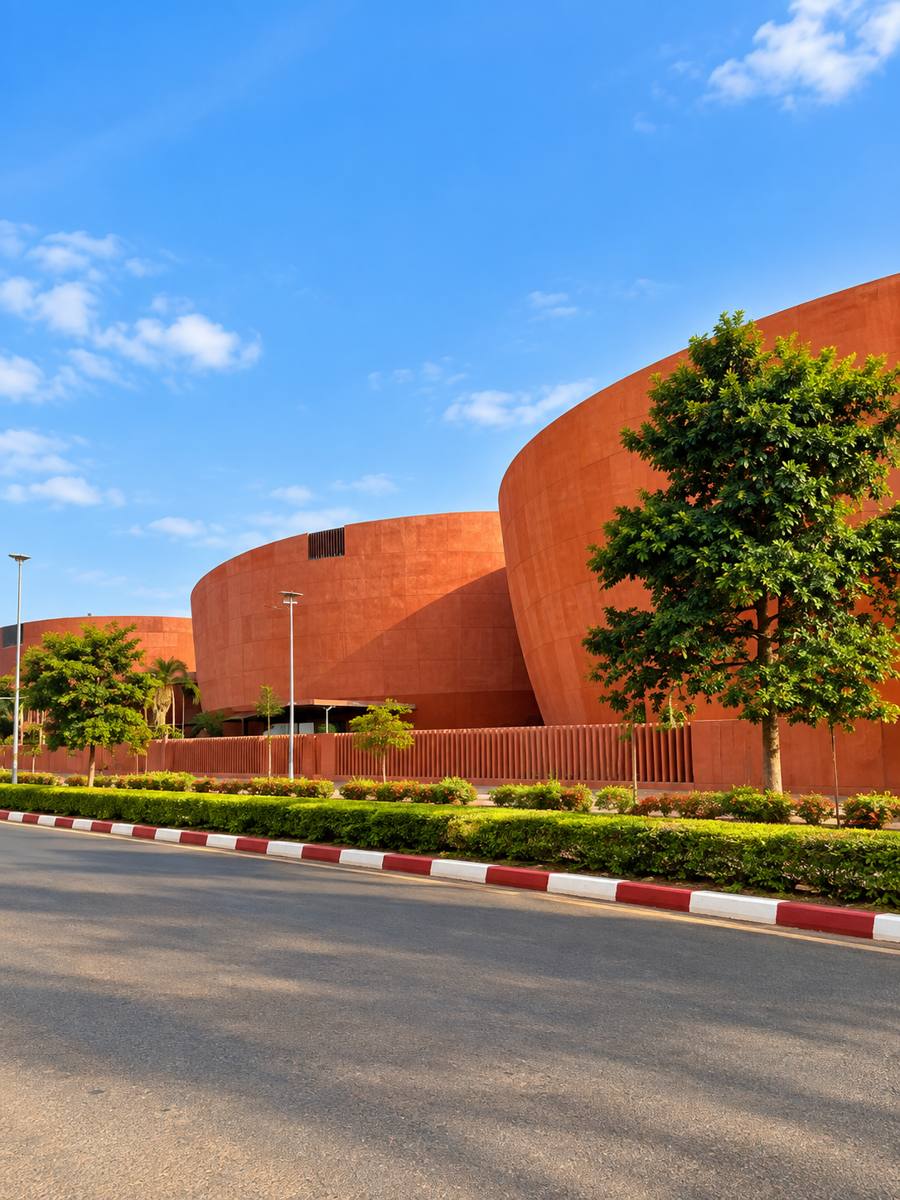
About thirty kilometres from Cotonou, Porto-Novo, the capital of Benin, shows a more intimate side of the country: the International Museum of Vodun and its striking architecture, the Honmè royal palace, the Great Mosque with its Afro-Brazilian façades, and the Garden of Plants and Nature.
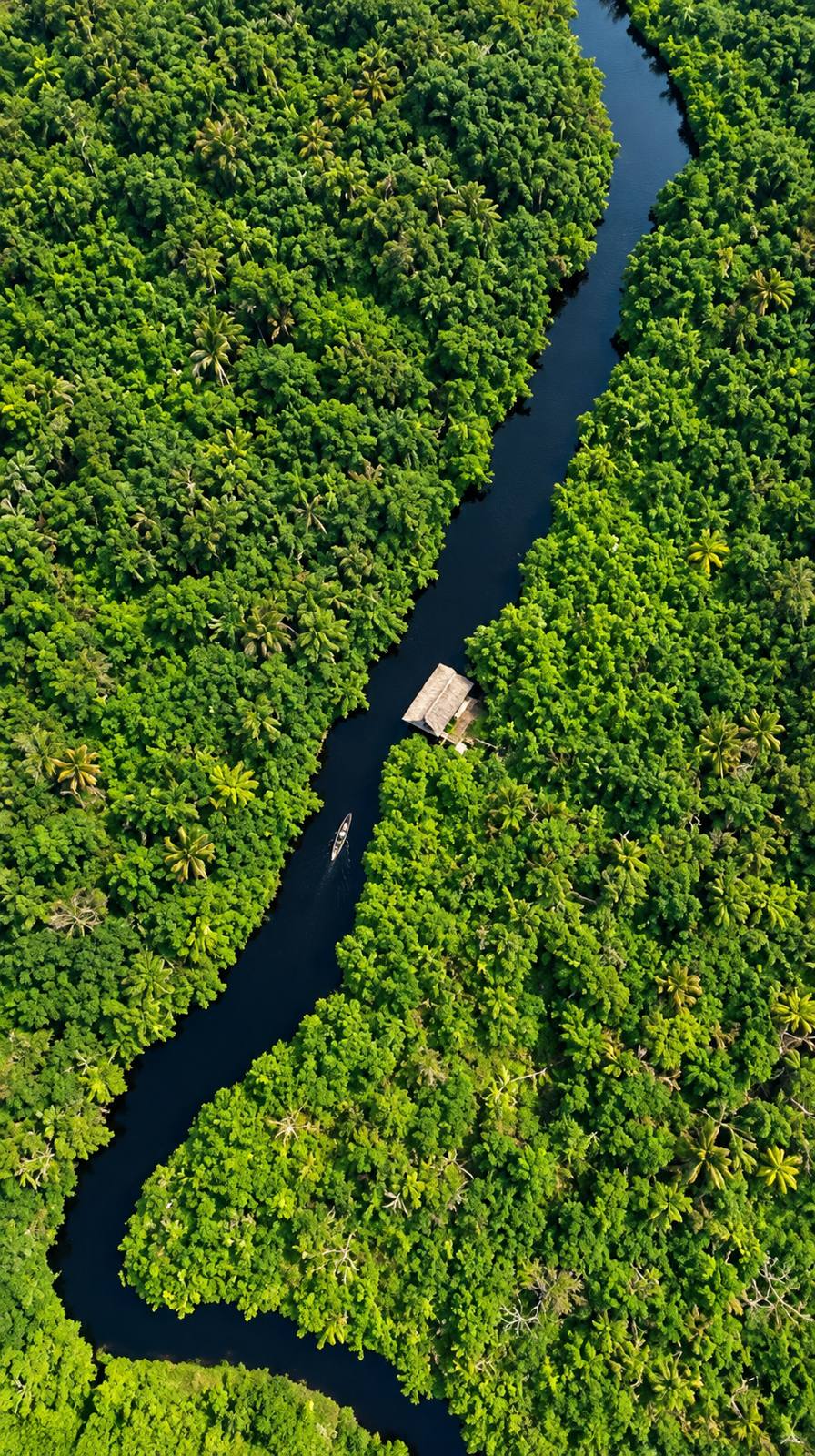
The tour continues to Adjarra for a pirogue ride on the black river. Its water is actually clear: it is the carpet of fallen leaves on the bottom that gives it its colour. Beneath raffia palms, mango trees and kola trees, you glide in total calm, with a little luck alongside monitor lizards and monkeys. A moment apart to recharge.
Adjarra is also a town of craftspeople: the tam-tam market, the museum of Gèlèdè and Zangbéto masks, blacksmiths, and traditional making of sodabi and palm oil. And to finish, the roast pork that made its reputation.
What you will experience
- The International Museum of Vodun
- The Honmè royal palace and the Great Mosque
- The pirogue ride on the black river
- The making of sodabi and palm oil
- The tam-tam market and the Adjarra museum
- Roast pork, the local speciality
Good to know: Best avoided in June and July, in the middle of the rainy season.
Zou
Abomey, the city of kings
Dive into the history of the powerful Kingdom of Dahomey.
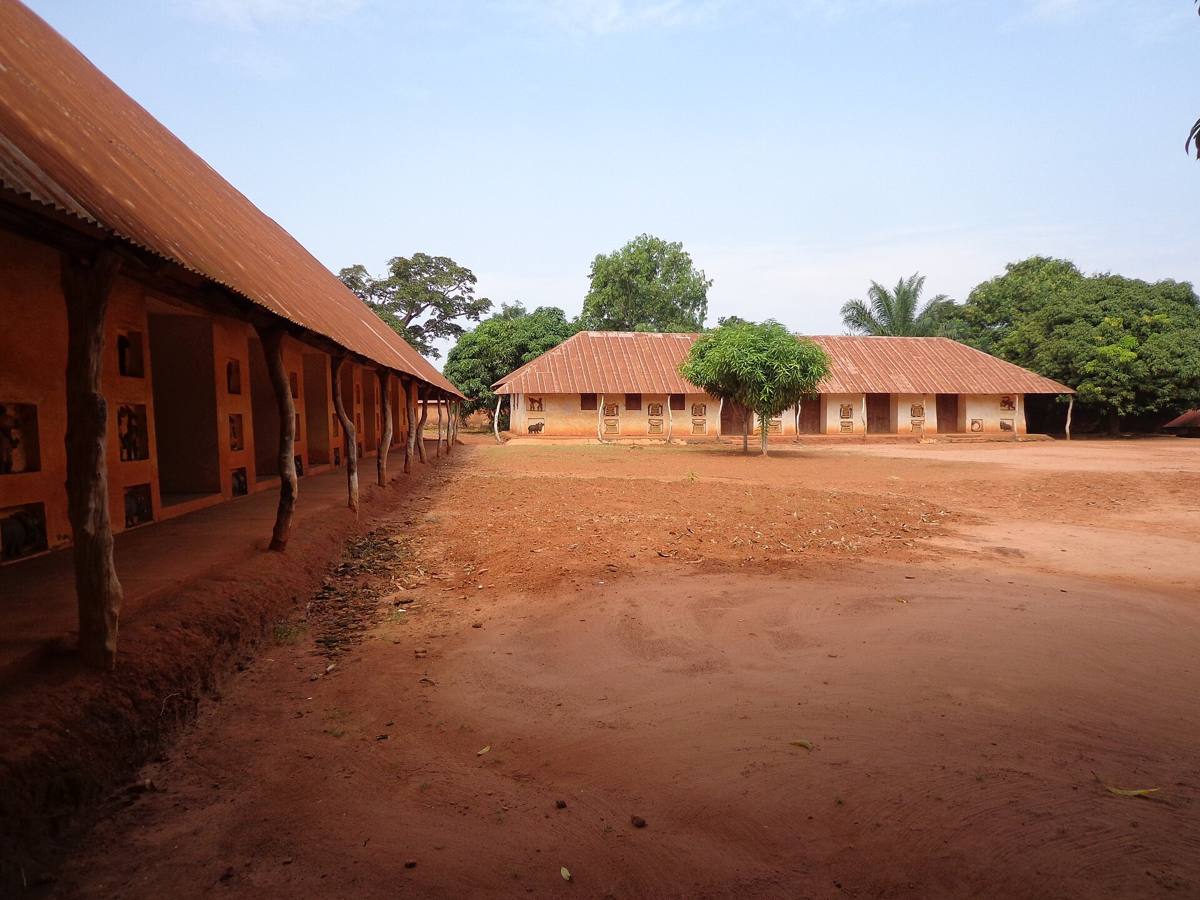
Capital of the Kingdom of Dahomey for nearly three centuries, Abomey preserves the royal palaces inscribed on UNESCO's World Heritage List. Their bas-reliefs tell of the reigns, conquests and symbols of each king.
With a guide, you discover how the kingdom was organised, the role of the Dahomey Amazons and the legacy that still shapes Beninese culture today.
What you will experience
- The royal palaces of Abomey
- The bas-reliefs and symbols of the kings
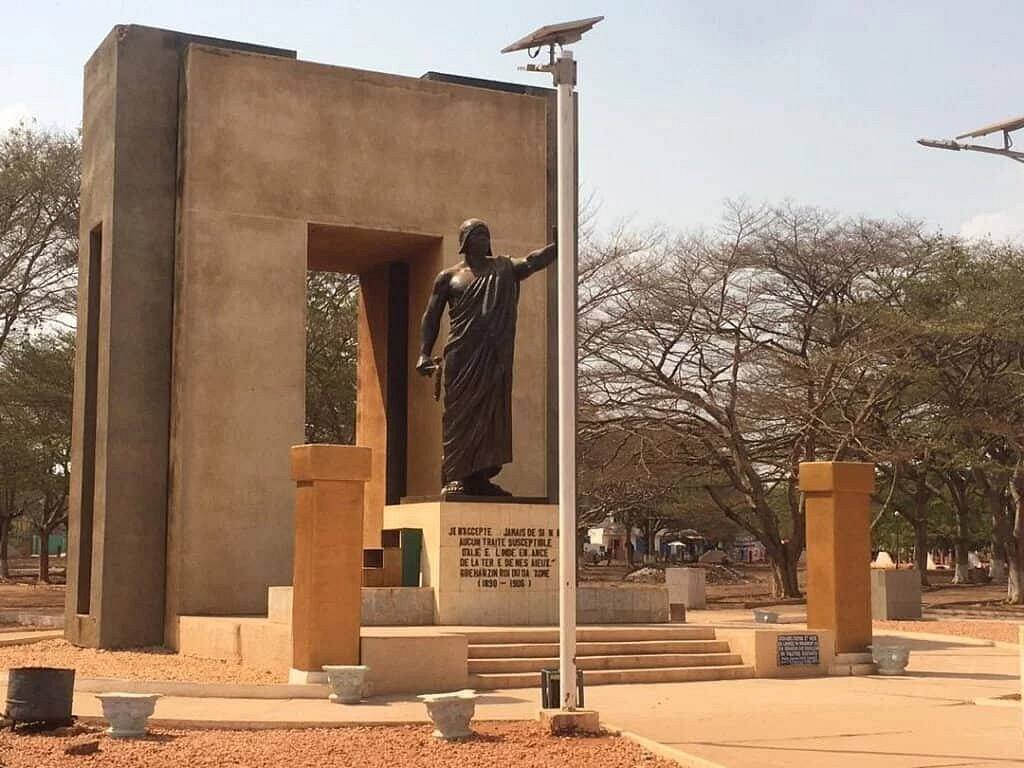
- The statue of King Béhanzin on Goho square
- The history of the Dahomey Amazons
- The craft of appliqué wall hangings
Good to know: Allow a full day from Cotonou.
Collines
The Savè hills
Three sacred hills, guardians of a town and its legends.
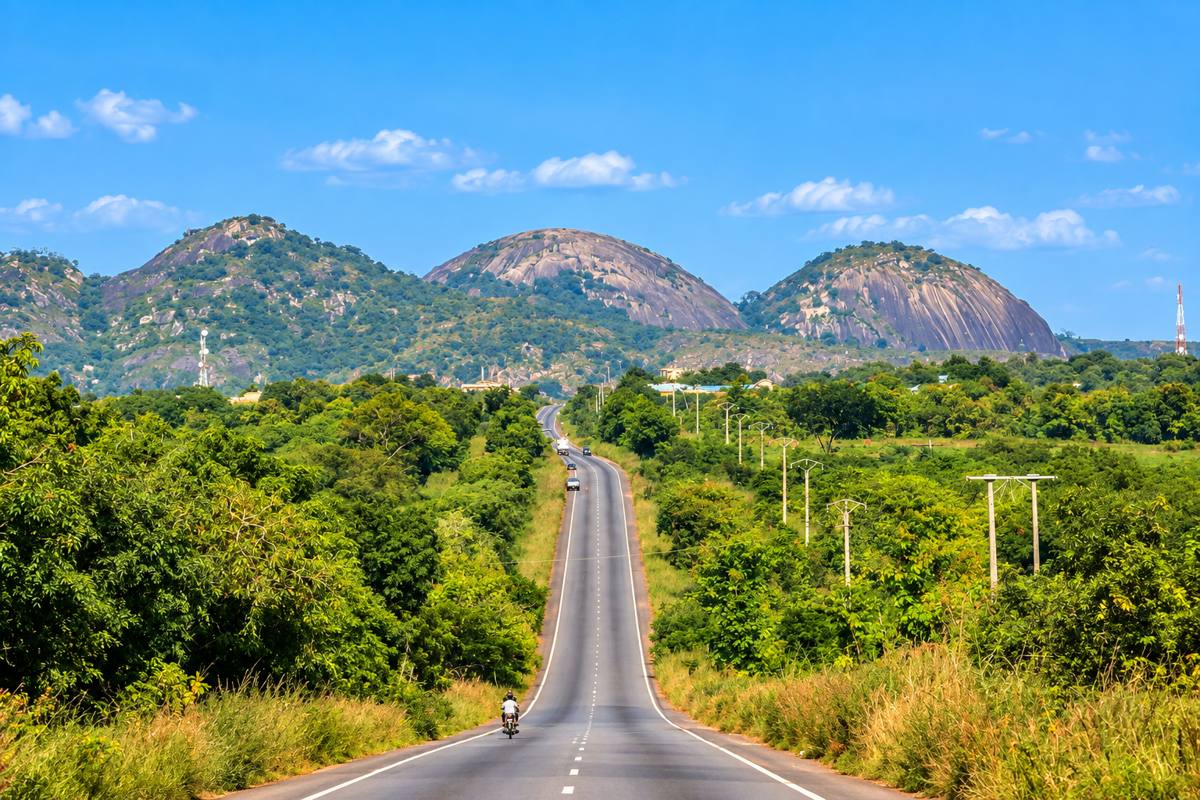
In the centre of Benin, three granite hills overlook the town of Savè. For the locals, each one shelters a protective deity, and one of them remains closed to visitors: a sacred place reserved for a few native families.
During wars and raids, these hills served as refuges for the population, who hid and defended themselves there. With a guide who knows the place, you walk the paths, the springs and the viewpoints over the region.
What you will experience
- Hiking on the hills
- The legends of the three hills
- The former refuges from the era of the raids
- The panoramas over the Shabè country
Good to know: The visit must be made with a local guide.
Atacora
Natitingou and the Atacora
Mountains, waterfalls and fortress-houses: Benin's highlands.
In the north-west of the country, Natitingou is the gateway to the Atacora, a region of hills and plateaus where the Bètammaribè, Waama, Dendi and other peoples with rich cultures live side by side.
The tour takes you to the Tata Somba, fortress-houses with two levels and straw-capped turrets, true feats of traditional architecture. You then cool off at the Kota falls, before discovering the region's history at the Natitingou regional museum.
What you will experience
- The Tata Somba houses
- Swimming at the Kota falls
- The Natitingou regional museum
- The landscapes of the Atacora
- Local cuisine and tchoukoutou
Good to know: Combine it with the nearby Pendjari park.
Atacora
Safari in Pendjari park
West Africa's great safari, only hours from home.
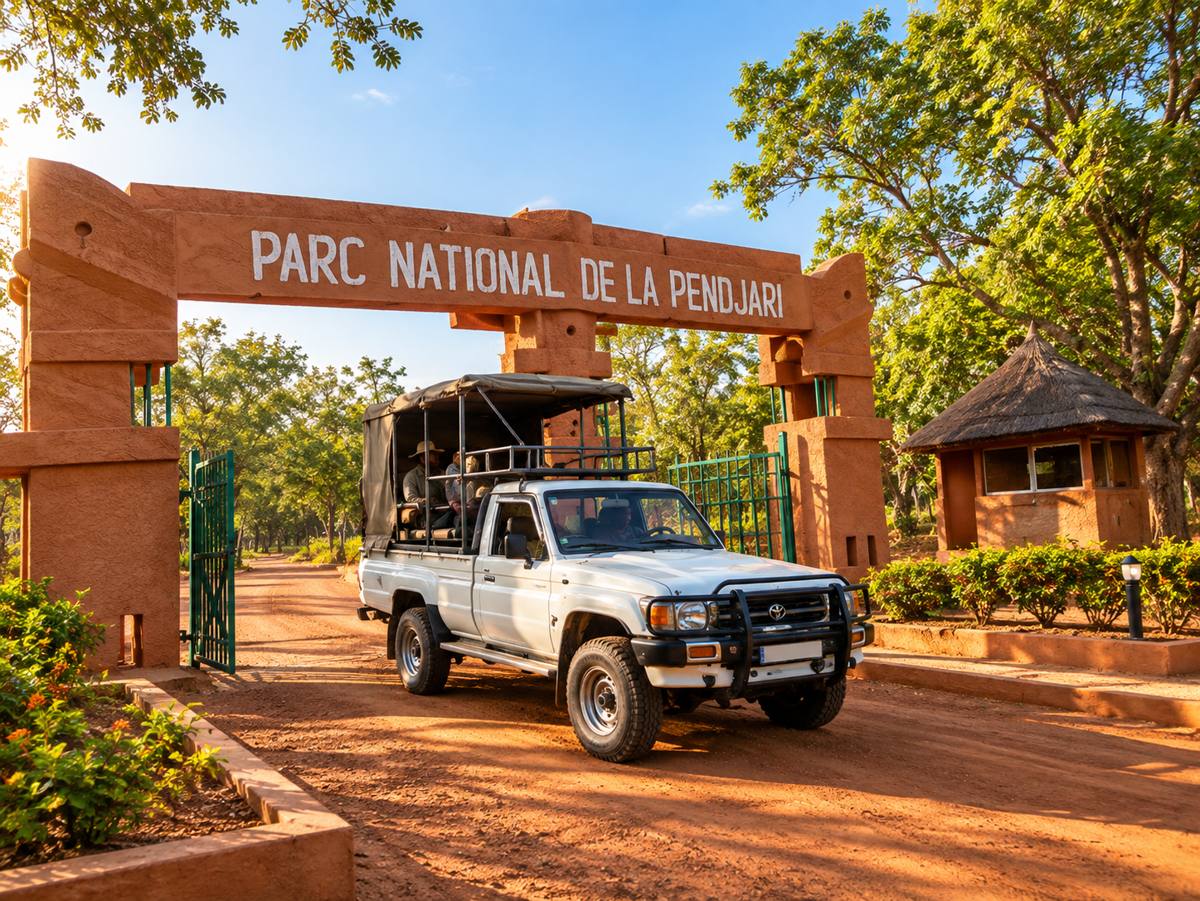
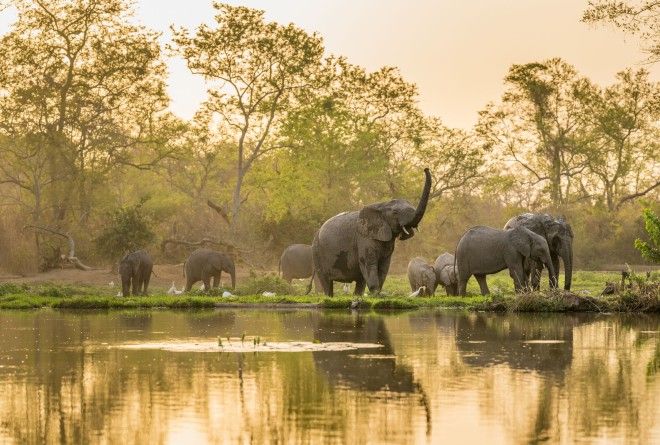
Pendjari National Park is one of the finest reserves in West Africa. Its preserved savannahs are home to elephants, lions, buffalo, hippos and antelope, which you can observe on vehicle safaris with a guide.
We recommend spending at least one night in the park to enjoy the sunrise and sunset outings, the best times to see the animals.
What you will experience
- Vehicle safaris with a guide
- Watching elephants, lions and buffalo
- Waterholes and the savannah
- A night in the heart of the park
Good to know: Best season: December to March, in the dry season.
Your tour, tailor-made
Several stops, a family or group trip: tell us what you would like to see and we will build the itinerary.